Coming back from winter break is a reset! However, when an ESL newcomer joins your class midyear, Day 1 can feel overwhelming—for you and for the student.
Unlike August arrivals, midyear newcomers walk into established routines, friendships, and expectations they don’t yet understand. Because of this, your first day together matters even more. With the right plan I have found that you can lower anxiety, build trust, and set the tone for success—without derailing your entire class.
Let’s walk through what I like to do on Day 1 with a newcomer after winter break, plus a simple midyear newcomer checklist you can use immediately.

Why Day 1 After Winter Break Is Different for ESL Newcomers
First, it’s important to recognize that midyear ESL newcomers face unique challenges:
- Classroom routines are already established
- Academic language expectations are higher
- Social groups are formed
- Students may feel isolated or overwhelmed
Meanwhile, after winter break, everyone is re-adjusting. This actually works in our favor. Since the whole class is easing back in, it creates a natural entry point for a new student.
Step 1: Start With Safety, Not Academics
Before academics, our priority should be emotional safety and predictability.
On Day 1, your newcomer needs to:
- Feel welcomed
- Understand where to sit and what to do
- Know who can help them
Instead of jumping into content, begin with visuals, modeling, and calm routines.

Teacher Tip:
Pair your newcomer with a kind, patient buddy—not necessarily your highest academic student, but one who follows routines well.
Step 2: Re-Teach Routines (For Everyone)
Next, take advantage of the post-break reset. Even if our students already know routines, re-teaching them benefits the whole class and supports your newcomer without singling them out.
Use:
- 🌻Picture cards
- Gestures
- 🌻Modeling
- Simple, repeated language
For example:
- “Line up here.”
- “Sit.”
- “Listen.”
- “Clean up.”
This repetition builds confidence and comprehension quickly.
Step 3: Focus on Survival Language
Rather than grade-level academics, Day 1 should center on functional, survival language.
Focus on:
- Bathroom
- Help
- Yes / No
- My name is…
- I need…
In addition, use sentence frames and visuals so the student can participate without pressure to produce full sentences.
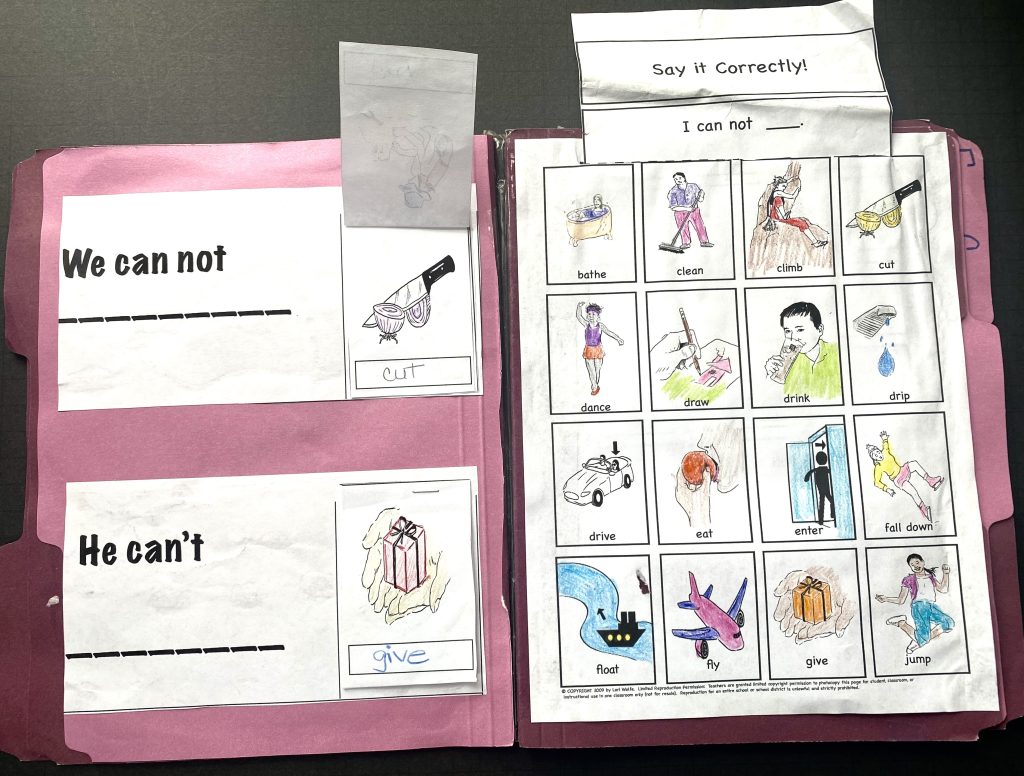
Step 4: Use Visuals and Hands-On Activities
Because language processing takes time, visuals reduce stress and increase understanding.
On Day 1, choose activities that are:
- Low language
- High engagement
- Highly visual
Examples include:
- Picture matching
- Sorting by color or shape
- Labeling classroom objects
- Partner games with visuals
These activities keep your newcomer engaged while giving you valuable observation time.
Step 5: Keep Academics Light—but Purposeful
Step 5: Keep While we don’t want to overwhelm, we do want to observe:
- Fine motor skills
- Number recognition
- Letter knowledge
- Ability to follow directions

Therefore, choose simple tasks that will quietly inform our next steps—without formal testing. Light—but Purposeful
✔️ Midyear Newcomer Checklist (After Winter Break)
Use this Day 1–Week 1 ESL newcomer checklist to stay organized and calm.
Day 1 Essentials
🌻☐ Assign a classroom buddy
⚡️☐ Show bathroom, desk, cubby, and supplies
🌻☐ Practice arrival and dismissal routines
⚡️☐ Introduce survival words with visuals
🌻☐ Use nonverbal participation strategies
Week 1 Setup
- ☐ Learn correct name pronunciation
- ☐ Check home language and literacy background
- 🌻☐ Send home a simple welcome note
- ☐ Establish daily predictable routines
- ☐ Introduce picture-based vocabulary
Instructional Supports
- ☐ Visual schedule posted
- ☐ Sentence frames available
- 🌻☐ Picture cards for core routines
- ☐ Hands-on activities prepared
- ☐ Small-group or pull-out time planned

What Success Really Looks Like on Day 1
By the end of Day 1, success does not mean:
- Speaking in full sentences
- Completing grade-level work
- Understanding everything
Instead, success means:
- 🌻The student feels safe
- The student knows where to sit
- 🌻The student knows who can help
- The student wants to come back tomorrow
And that is a huge win.
🌻
Final Thoughts: You Don’t Have to Do It All at Once
Finally, remember this: language acquisition is a process, not a one-day event. Your job on Day 1 after winter break is to lay the foundation, not finish the house.
With clear routines, visuals, and a welcoming mindset, you’re already doing the most important work.
If you’re looking for ready-to-use ESL newcomer visuals, picture cards, and low-prep activities, these tools can save you hours and give your student immediate access to learning—without overwhelm.
You’ve got this. And your newcomer is lucky to have you. 💛

Looking for time-saving tips and tricks for teaching math and ESL? Sign up for my email newsletter to get free teaching resources and helpful strategies right to your inbox! Click here to sign up.