If you’ve ever taught place value, you already know—it’s one of those foundational math skills that should click… but often doesn’t right away. Students struggle to understand that a number isn’t just digits—it’s a system built on groups of tens and hundreds. Without that understanding, everything from addition to regrouping falls apart. In fact, place value is considered the backbone of elementary math, because so many future skills depend on it. (ClassWeekly)
The good news? With the right approach (and the right tools), place value can go from confusing to crystal clear.

Start With Concrete, Not Abstract
Before worksheets, before numbers on a page—students need to see and touch place value.
Research and classroom practice consistently show that hands-on learning is key. Using manipulatives like base-ten blocks helps students understand that:
- 10 ones = 1 ten
- 10 tens = 1 hundred (Farrah Henley Education)
Try This:
- Give students objects (cubes, counters, or math center pieces)
- Have them physically group into tens
- Then trade 10 tens for 1 hundred
This builds the concept that numbers are made of groups, not just digits.
👉 This is where math centers become incredibly powerful—students get repeated, hands-on exposure without you leading every step.

Use Place Value Visual Supports to Make It Stick
Place value is abstract, so visuals matter—a lot.
Charts and visual models help students organize numbers and understand how each digit has a specific role. (Lumos Learning)
What Works Best:
- Place value mats (Hundreds | Tens | Ones)
- Color-coded visuals
- Picture-based representations
When students can see where numbers belong, they’re much more likely to understand their value.
👉 A structured set of visuals (like picture cards or center mats) saves you from constantly creating these supports yourself.
Make Place Value Interactive (Not Just Practice)
Here’s where many lessons fall flat: too many worksheets, not enough thinking.
Students need active practice:
- Sorting numbers
- Building numbers
- Playing games with place value
Interactive activities help reinforce understanding while keeping engagement high. In fact, games and hands-on activities are shown to make place value learning more meaningful and memorable. (ESL Games Plus)
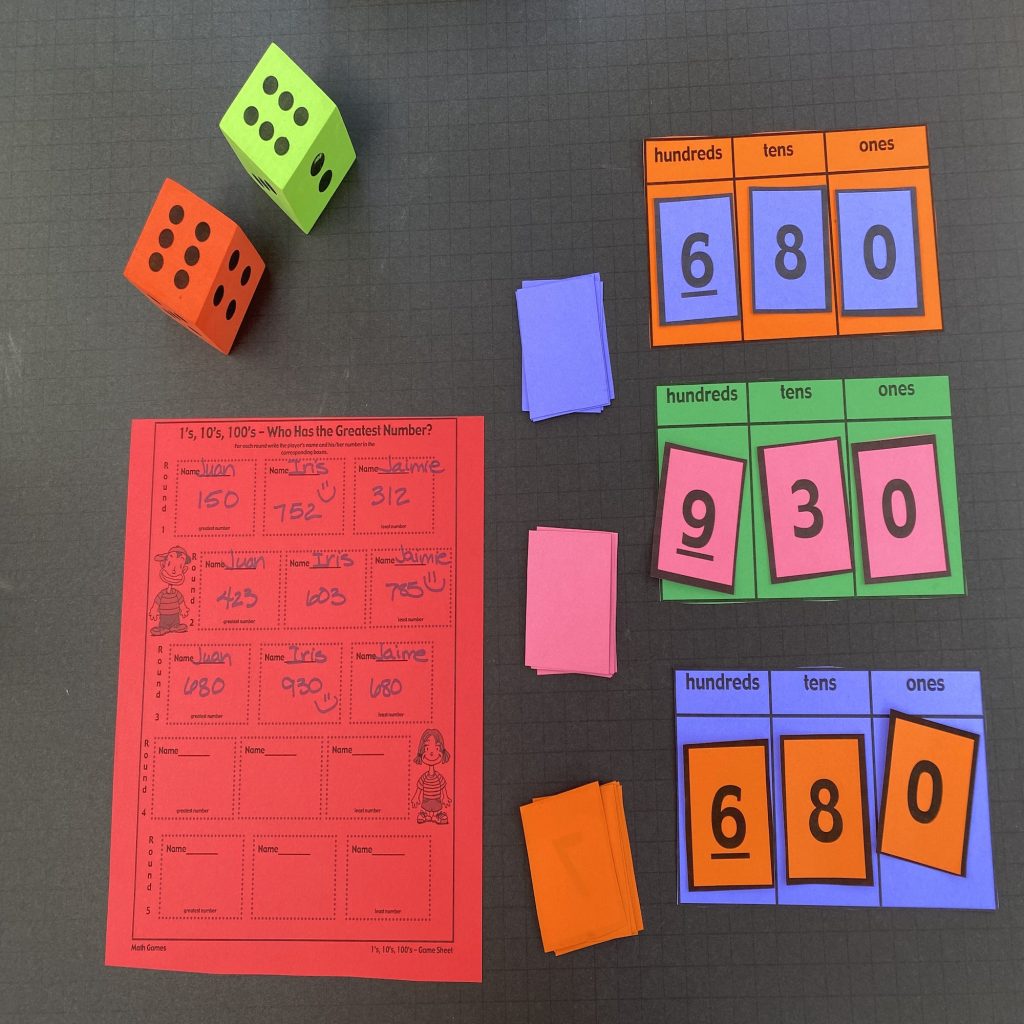
Simple Ideas:
- “Build the Number” with manipulatives
- Place value sorting activities
- Partner games identifying tens and ones
👉 This is exactly why math centers work so well—they naturally create this kind of engagement.
Differentiate (Because Place Value Skills Vary A LOT)
One of the biggest challenges?
Your students will not all understand this skill at the same pace.
Some will:
- Still be counting by ones
- Struggle to group by tens
- Need repeated exposure to the same concept
Others will be ready for:
- Three-digit numbers
- Expanded form
- Comparing values
What Helps:
- Scaffolded activities
- Multiple levels of practice
- Visual + hands-on + written options
👉 Having a resource that includes both English and Spanish support is also a huge benefit for multilingual classrooms—especially when teaching math vocabulary.


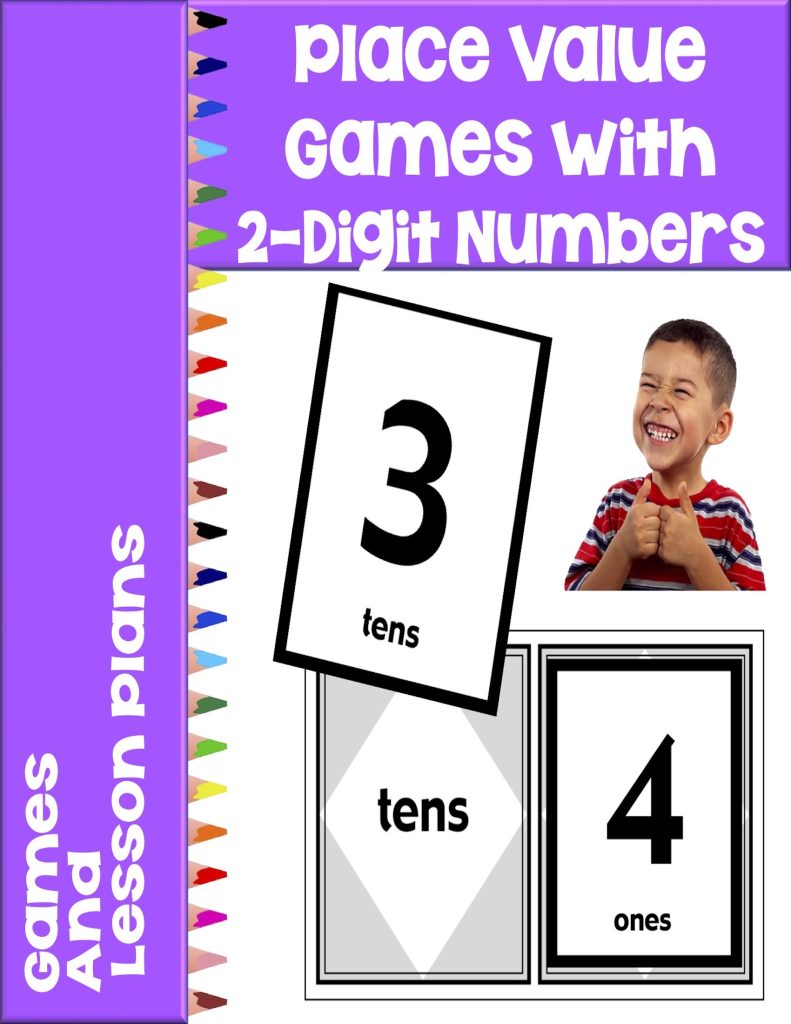
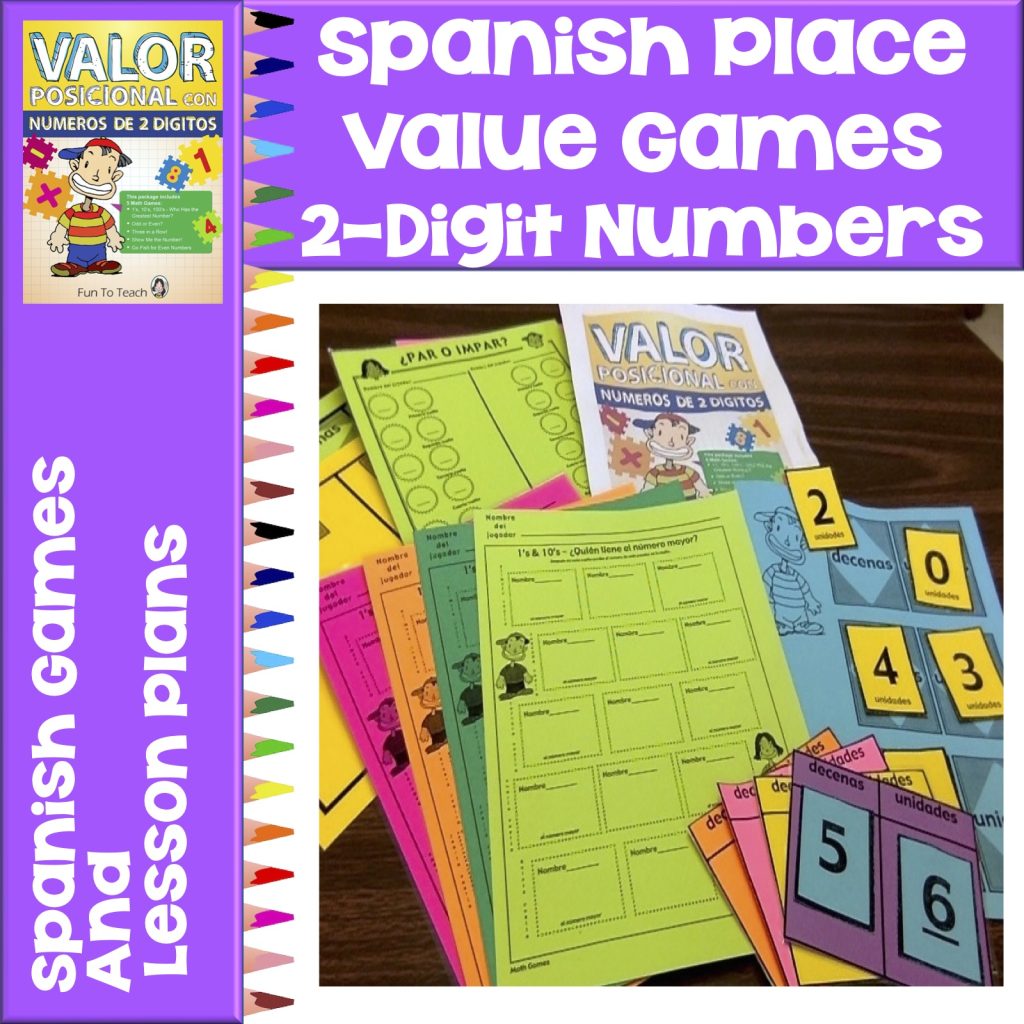
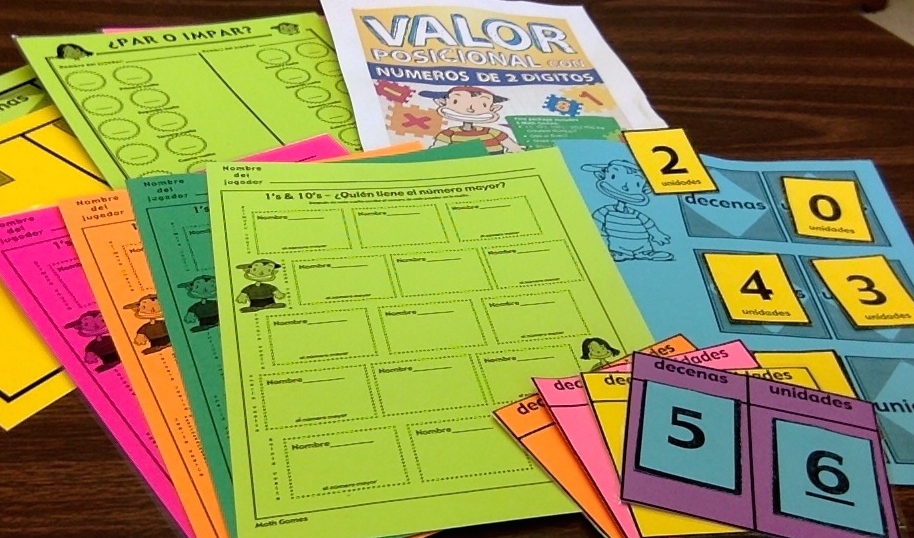
Why Math Centers Make This Easier (and Better)
Instead of reteaching the same concept over and over, math centers allow students to:
- Practice independently
- Reinforce skills through repetition
- Engage with content in different ways
A well-designed place value center resource gives you:
- Ready-to-use games (no prep stress)
- Visual supports built in
- Hands-on learning opportunities
- Differentiation without extra planning
- Language support for bilingual learners
And most importantly—it gives students the repetition they need without boredom.
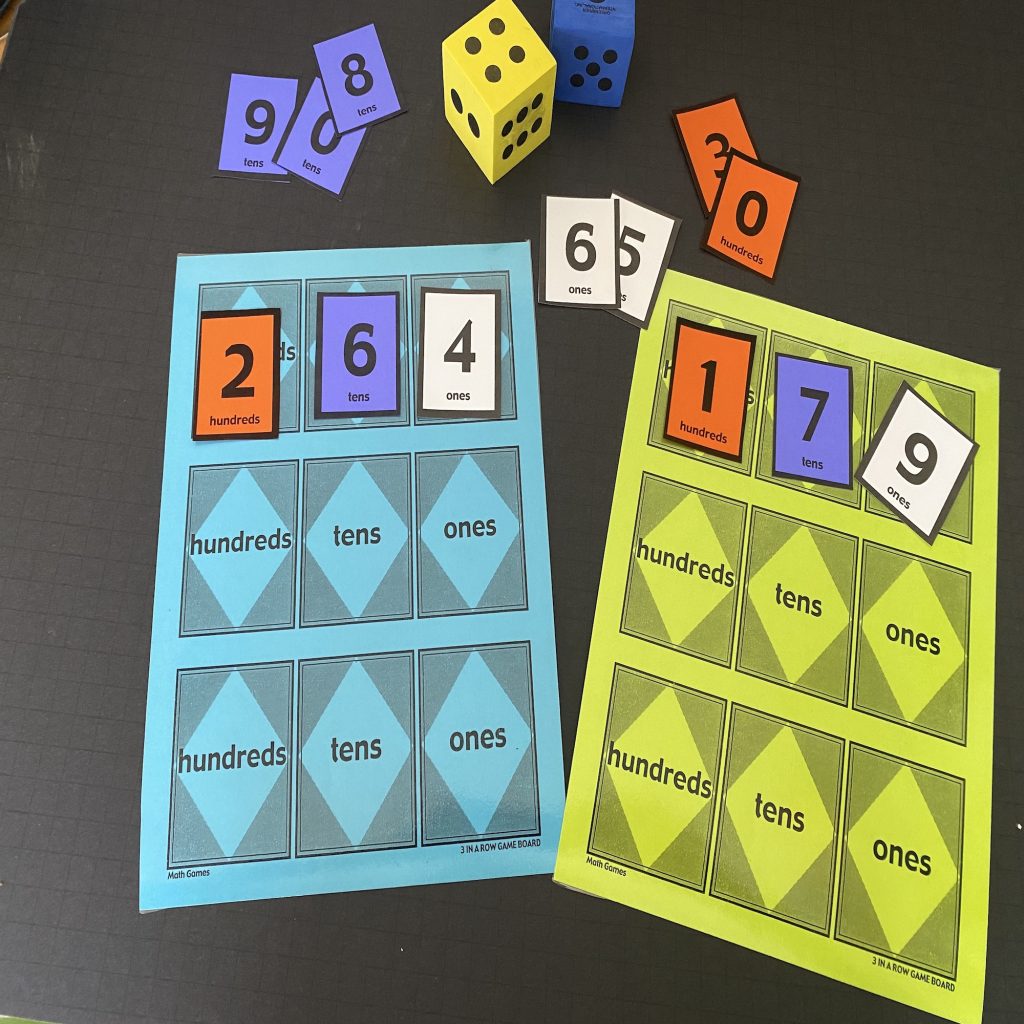

The Real Teacher Benefit
Let’s be honest—place value units can be exhausting to plan.
You’re trying to:
- Create engaging activities
- Differentiate for multiple levels
- Keep materials organized
- Reinforce concepts daily
Using structured math centers for tens, ones, and hundreds helps you:
- Save prep time
- Stay consistent across lessons
- Support all learners (without extra work)
- Keep students engaged and on task
Final Thoughts on Place Value
Lastly this isn’t just another math unit—it’s the foundation for everything that comes next.
When students truly understand:
- How numbers are built
- How digits represent value
- How grouping works
…you’ll see a huge difference in their confidence and success in math.
And when you have tools that make that learning hands-on, visual, and engaging, teaching it becomes a whole lot easier too.

Looking for time-saving tips and tricks for teaching math and ESL? Sign up for my email newsletter to get free teaching resources and helpful strategies right to your inbox! Click here to sign up.