For many years, I worked closely with our school’s phonics and reading specialist, and we often shared the same students as well as the same classroom! It was a wonderful opportunity to work together! While I focused on building English language skills, she focused on developing reading skills. Of course, the two go hand in hand! We compared notes, talked about what our students were struggling with, and figured out how to help them move forward. One thing became clear over the years: knowing which phonics skills students had mastered and which ones still needed work made our teaching so much more effective.
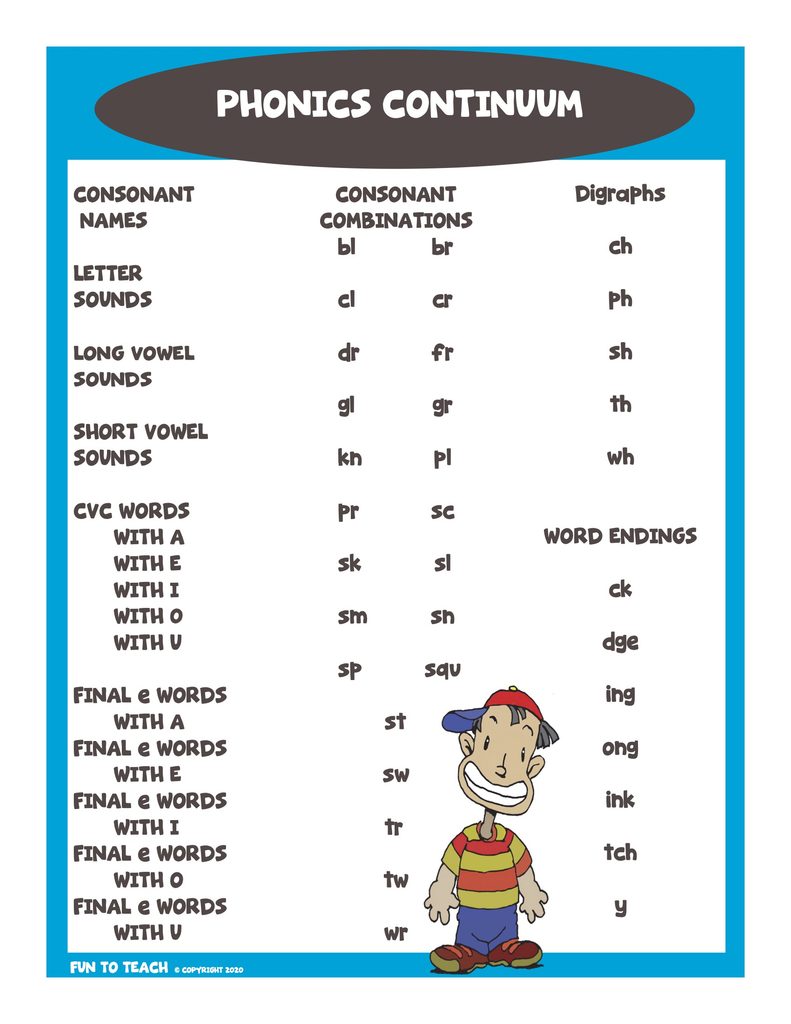
That’s when and where I created my FREE ESL Phonics Continuum It’s a simple, handy reference that helps you see how phonics skills build on one another, identify gaps, and decide what to teach next. Whether you’re working with English learners, sharing students with a reading specialist, or planning small-group lessons, it’s a great tool to keep close by. Sometimes the simplest tools are the ones we reach for again and again!
A 5-Minute ESL Phonics Check
Grab a pencil, a few word cards, and your student. No fancy materials needed!
Try these five quick checks:
| Skill | Quick assessment |
|---|---|
| 1. Letter sounds | Show m, s, t, a, p. Ask students to say each sound. |
| 2. Beginning sounds | Say sun, map, and fish. Ask for the first sound in each word. |
| 3. CVC words | Have students read cat, sit, and hop. |
| 4. Blends and digraphs | Try ship, chin, stop, and flag. |
| 5. Long vowels | Ask students to read cake, bike, and rain. |
Here’s the trick: Don’t worry about getting through the entire phonics list. If a student struggles with a skill, make a note and check a few more examples at that level.
You now have a starting point for your next phonics lesson!
Teacher tip: For English learners, make sure students understand the directions and have an opportunity to hear unfamiliar words. We’re checking phonics skills, not how much English vocabulary they already know.
What Do I Teach Next?
This is where my FREE ESL Phonics Continuum comes in handy!
I like having a simple, one-page guide that helps me see where students are and what comes next.
You can use it to:
- Plan small-group phonics lessons.
- Keep track of individual student progress.
- Set realistic learning goals.
- Share progress with parents.
- Group students by the phonics skills they need to practice.
Here’s another idea: Keep a copy in your small-group teaching binder. After a quick assessment, mark the skill you’re working on. Recheck it after a week or two of instruction.
Easy peasy!
Make Phonics Practice Fun!
Once you’ve identified a skill, try a little hands-on practice.
Sound Detective: Have students hunt for words containing their target sound in a familiar book.
Build It, Change It: Give students letter tiles. Start with cat, change it to cap, then map. Students read each new word.
Word Sort Race: Have students sort words by vowel sound, blend, or spelling pattern. No need to actually race—sometimes sorting and explaining their choices is the best part!
A few minutes of focused practice can tell you a lot about what students are learning.
Grab Your FREE ESL Phonics Continuum
Phonics instruction doesn’t have to be a guessing game. A quick check, a little practice, and a simple way to track progress can make planning so much easier.
The ESL Phonics Continuum gives you a one-page reference for guiding instruction, monitoring progress, and setting your next teaching goals.
👉 Download the FREE ESL Phonics Continuum on TpT
Read More on the blog here:
TEACHING READING TO ELs – Who does what?
TEACH READING TO ENGLISH LEARNERS – TEAM WORK
Happy teaching!
The planning is done. The teaching is yours!

Looking for time-saving tips and tricks for teaching math and ESL? Sign up for my email newsletter to get free teaching resources and helpful strategies right to your inbox! Click here to sign up.